Why Construction Quietly Drives Jobs, Real Estate And Economic Growth
Construction And Economic Development Analysis By Zeeglobalvision | Jobs, Housing, Infrastructure, Real Estate And Long-Term Growth
Construction quietly influences almost every part of the economy.
Most people see a construction site and notice cranes, concrete, machinery and workers. What they do not immediately see is the wider network of employment, finance, materials, infrastructure and property activity operating behind the site.
A residential development does not employ only builders. It creates work for architects, engineers, surveyors, electricians, plumbers, equipment operators, material manufacturers, transport companies, banks, insurers and property professionals.
After construction ends, the completed asset can support further economic activity through housing, retail, offices, factories, schools, hospitals, warehouses and public infrastructure.
Construction therefore does more than produce buildings.
It creates the physical capacity through which people live, companies operate, goods move and cities expand.
Zeeglobalvision Economic Principle: Construction does not merely respond to economic growth. Well-planned construction can make future employment, investment and productivity possible.
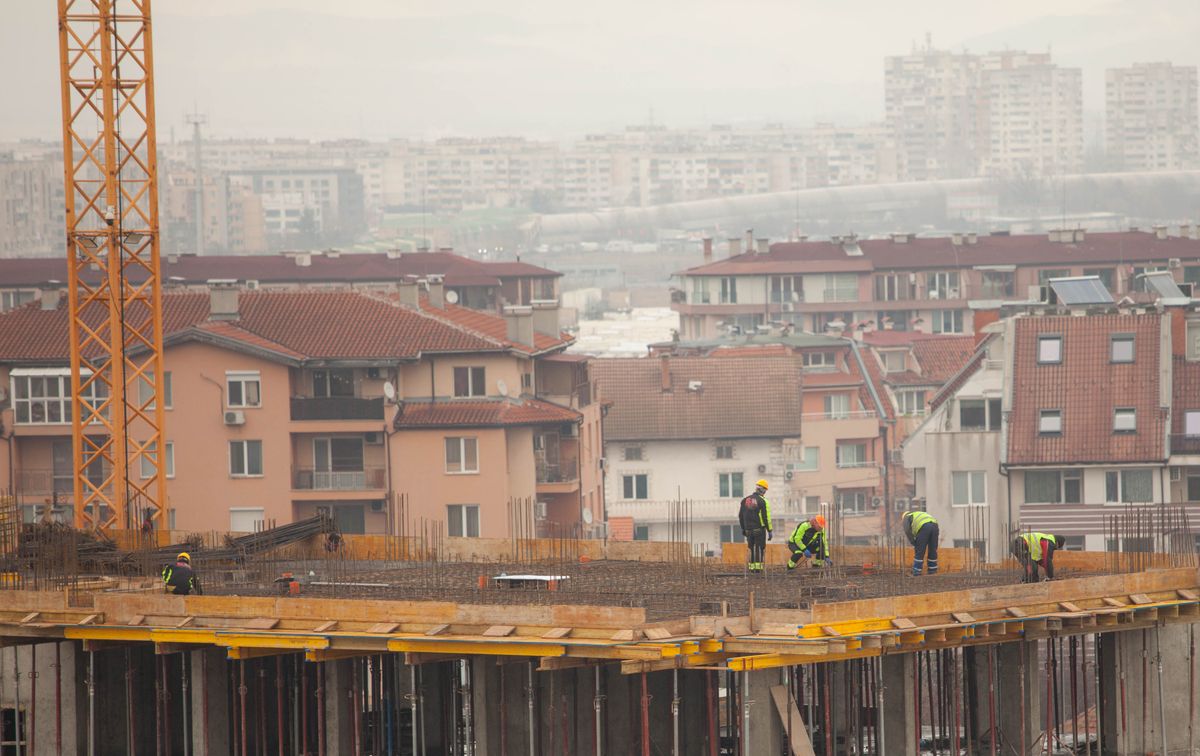
Construction Is An Economic System
Construction begins long before physical work starts.
A major project may require:
- Land acquisition
- Feasibility studies
- Architectural design
- Engineering analysis
- Planning approvals
- Environmental review
- Legal documentation
- Financing and insurance
- Procurement and contracting
Once work begins, the project activates another network of businesses supplying cement, steel, glass, timber, electrical equipment, plumbing products, machinery, fuel and transport.
After completion, the building or infrastructure may create continuing demand for property management, maintenance, security, utilities, retail, mortgage finance and local services.
This is why construction cannot be understood as one isolated industry. It is a system connecting professional services, manufacturing, labor, finance, real estate and public infrastructure.
Construction Creates Direct Employment
Construction is one of the few sectors capable of creating employment across a wide range of skill levels.
Direct construction jobs may include:
- Laborers and helpers
- Masons and carpenters
- Electricians and plumbers
- Welders and steel fixers
- Crane and equipment operators
- Safety professionals
- Site supervisors
- Quantity surveyors
- Architects and engineers
- Construction and project managers
This range is economically important because construction can provide entry-level employment while also creating demand for technical specialists and experienced managers.
Training developed through construction can also transfer into manufacturing, facilities management, infrastructure maintenance and property services.
Indirect Jobs Expand The Effect
The employment impact does not stop at the project gate.
A contractor purchasing concrete creates demand for quarrying, cement production, batching plants, transport, testing laboratories and equipment maintenance.
A housing project may create orders for:
- Doors and windows
- Kitchen manufacturers
- Sanitary products
- Lighting suppliers
- Paint manufacturers
- Furniture businesses
- Appliance retailers
These supplier jobs are indirect effects of construction activity.
Worker Spending Supports Local Business
People employed by projects and suppliers spend part of their income in the surrounding economy.
Their spending may support:
- Food retailers
- Transportation
- Housing
- Education
- Healthcare
- Clothing
- Personal and professional services
Economists often describe this as induced economic activity.
Construction therefore creates three connected employment channels:
- Direct jobs: Employment on the project itself
- Indirect jobs: Employment inside suppliers and supporting businesses
- Induced jobs: Employment supported by household spending
Construction Shapes Housing Supply
Housing affordability is influenced partly by the relationship between the number of homes available and the number of households seeking them.
When housing construction remains below population and household growth for a long period, shortages can contribute to:
- Higher rents
- Higher purchase prices
- Overcrowding
- Longer commuting distances
- Reduced household mobility
However, building more units does not automatically create affordable housing.
New homes may remain unaffordable when:
- Development targets only high-income buyers.
- Land prices are excessive.
- Mortgage costs are high.
- Infrastructure charges increase final prices.
- Household income remains weak.
- Units are held vacant for speculation.
A complete housing strategy must connect construction with land policy, infrastructure, finance, rental markets and household purchasing power.
Construction And Real Estate Are Connected
Construction creates or improves the physical asset.
Real estate concerns the ownership, financing, occupation, leasing, management and sale of that asset.
When new construction enters a market, it changes the available supply of:
- Homes
- Offices
- Retail space
- Warehouses
- Factories
- Hotels
- Healthcare facilities
- Educational buildings
This affects rents, vacancies, property values and investment decisions.
Construction also influences undeveloped land. A new road, transit connection, utility network or commercial district can make surrounding land more accessible and economically useful.

Handwritten infographic: Construction builds jobs, property, infrastructure and economic growth. Zeeglobalvision.
Infrastructure Multiplies Economic Growth
The strongest economic impact of construction often appears after the project has been completed.
A finished road can reduce transportation time. A reliable electricity system can prevent factory shutdowns. A warehouse can improve distribution. A school can strengthen workforce skills. A hospital can improve health and labor participation.
Productive infrastructure allows other industries to operate more efficiently.
Important growth-supporting infrastructure includes:
- Roads and bridges
- Rail and public transport
- Electricity generation and distribution
- Water and sanitation
- Ports and logistics facilities
- Schools and hospitals
- Digital and telecommunications networks
The real economic test is not how much money was spent. It is whether the completed asset improves access, productivity, resilience and quality of life.
Construction Influences Business Location
Companies do not choose locations based only on cheap land or labor.
They also assess:
- Road and transport access
- Electricity reliability
- Water supply
- Internet connectivity
- Warehousing and logistics
- Available housing for employees
- Schools and healthcare
A city with weak infrastructure may struggle to attract productive investment even when operating costs appear low.
Construction therefore helps determine where companies locate and where future employment develops.
Interest Rates Can Accelerate Or Slow Construction
Most major projects depend on financing.
Higher interest rates can raise:
- Construction-loan costs
- Developer financing expenses
- Mortgage payments
- Required investment returns
- Government borrowing costs
When finance becomes expensive, some developments are delayed or cancelled.
This reduces current employment and can restrict future housing or commercial supply.
Lower rates may support construction, but extremely cheap credit can also encourage excessive borrowing, land speculation and projects that are not supported by genuine demand.
Construction Can Signal Economic Confidence
New factories, offices, warehouses and housing developments require substantial capital commitments.
When businesses and investors begin such projects, they are making decisions based partly on expected future demand.
A sharp reduction in construction may indicate concerns involving:
- Economic growth
- Property demand
- Financing conditions
- Regulatory uncertainty
- Construction costs
Construction is not a perfect economic forecasting tool, but major changes in development activity can reveal shifts in business and investor confidence.
How Construction Strengthens Local Economies
A project creates more local value when it uses capable local workers, contractors, suppliers and professional firms.
Local participation can:
- Retain more project spending within the region
- Develop technical skills
- Build contractor capacity
- Create business relationships
- Support future maintenance and expansion
Local procurement should still protect quality, safety and competition.
Supporting local businesses does not mean accepting weak performance. It means building capability while maintaining professional standards.
When Construction Becomes Economically Dangerous
More construction does not always produce more prosperity.
Projects can destroy value when they are:
- Built without genuine demand
- Financed with unsustainable debt
- Located without supporting infrastructure
- Designed only for speculation
- Approved through weak governance
- Constructed with poor quality
- Environmentally damaging
- Unaffordable to intended users
Speculative Overbuilding
Developers may build because prices are rising rather than because households or businesses need the space.
When demand weakens, this can result in empty units, unfinished projects and financial losses.
Debt Risk
Construction booms often increase borrowing by developers, buyers and banks.
If interest rates rise or property sales slow, financial stress can spread beyond the original project.
Capital Misallocation
Excessive property investment can divert capital away from productive companies, exports, technology, education and skills.
Poor Job Quality
Employment growth should not be considered successful when workers face unsafe conditions, unpaid wages, weak training or no social protection.
A Hypothetical Construction-Economy Example
Consider a hypothetical $100 million mixed-use development containing housing, retail space and public infrastructure.
| Project Category | Illustrative Spending | Economic Connection |
|---|---|---|
| Labor And Subcontractors | $35 million | Construction jobs and household income |
| Materials And Equipment | $32 million | Manufacturing, transport and suppliers |
| Professional Services | $13 million | Design, engineering, finance and legal work |
| Utilities And Connections | $10 million | Roads, water, energy and communication |
| Management And Risk | $10 million | Management, contingency, finance and return |
Once completed, the development may add housing, commercial space, road access, utility capacity and recurring property-management work.
But this wider value exists only if:
- Real demand exists.
- Infrastructure can support occupancy.
- The project remains financially viable.
- Construction quality is acceptable.
- The completed spaces can be used productively.
This example is hypothetical and does not represent a Zeeglobalvision client, actual project or guaranteed economic result.
The Zeeglobalvision BUILDS Framework
B — Business And Housing Demand
Confirm that households, companies or public institutions genuinely need the asset.
U — Utilities And Urban Connections
Ensure roads, water, electricity, transport and digital infrastructure can support the development.
I — Investment And Financial Stability
Test financing, interest rates, sales assumptions, cash flow and debt exposure.
L — Labor And Local Supply Chains
Measure employment, worker safety, training and local business participation.
D — Development And Real Estate Outcomes
Assess housing supply, affordability, occupancy, land use and long-term property demand.
S — Sustainability And Social Value
Protect communities, resources, construction quality and future operating performance.
The Construction-Economy Readiness Score
Score each BUILDS category from zero to three:
- 0 — Missing: No reliable evidence exists.
- 1 — Weak: The project depends heavily on optimism or price appreciation.
- 2 — Functional: The main controls are present with manageable gaps.
- 3 — Strong: Demand, finance, infrastructure and social value are clearly supported.
| Score | Project Condition | Priority |
|---|---|---|
| 0–5 | Speculative Construction | Verify demand, financing and infrastructure before expanding. |
| 6–10 | Economically Exposed | Strengthen finance, occupancy evidence and supply chains. |
| 11–14 | Generally Productive | Improve affordability, lifecycle value and risk control. |
| 15–18 | Growth-Enabling Construction | Maintain safety, quality and long-term monitoring. |
This score is an editorial education tool, not a construction audit, property valuation, economic-impact study or investment recommendation.
Questions Investors And Developers Should Ask
- Who will use or occupy the completed asset?
- Is demand based on evidence or recent price appreciation?
- Can existing infrastructure support the development?
- How sensitive is the project to interest rates?
- What happens if construction costs rise?
- What happens if sales or rents weaken?
- Will the project create safe and productive employment?
- Will the completed asset remain useful and affordable?
- What conditions would justify redesigning or stopping the project?
External Learning Links For More Understanding
- U.S. Census Bureau: Construction Spending
- U.S. Bureau Of Labor Statistics: Construction Industry
- U.S. Bureau Of Labor Statistics: Construction And Extraction Careers
- World Bank: Infrastructure Foundations For Future Growth
- World Bank: Infrastructure, Jobs And Economic Opportunity
Final Perspective
Construction quietly drives employment, property development and economic growth because it connects capital with physical capacity.
During construction, it creates demand for labor, materials, machinery, transport, finance and professional services.
After completion, buildings and infrastructure shape housing supply, property values, business productivity, market access and public services.
But construction activity should not automatically be treated as economic progress.
Poorly planned projects can create excessive debt, empty buildings, unaffordable housing, environmental damage and wasted public resources.
The strongest construction investment:
- Responds to genuine demand
- Creates safe and useful employment
- Strengthens local supply chains
- Improves infrastructure
- Supports housing and business activity
- Produces assets that remain valuable after completion
The central question is not:
“How much construction is taking place?”
The stronger question is:
“Is construction creating productive assets and sustainable opportunity—or merely increasing debt and property speculation?”
Construction, Business And Investment Disclaimer: This content is for general educational purposes only and does not provide construction, engineering, economic, property, financial, investment, tax, environmental, safety, contractual or legal advice. Outcomes depend on location, financing, demand, regulation, project quality and economic conditions. The Zeeglobalvision BUILDS Framework and Construction-Economy Readiness Score are editorial learning tools, not professional audits, valuations or investment recommendations. Obtain advice from appropriately qualified professionals before making material construction, real estate or investment decisions.
References
- U.S. Census Bureau: Current Construction Spending
- U.S. Bureau Of Labor Statistics: Construction—NAICS 23
- U.S. Bureau Of Labor Statistics: Construction And Extraction Occupations
- World Bank: Infrastructure Foundations—From Current Assets To Future Growth
- World Bank: Infrastructure And Economic Opportunity
- Pexels: Urban Construction Site Image By Rainer Eck
Comments
Post a Comment